

Photo Prompts: Over 50 AI photo editing prompts that are great
Have you ever opened an AI picture editor, glanced at the text box, and thought, “What do I type here?” You’re not the only one. Millions of people try to change pictures with AI every day, but many of them get angry because the instructions aren’t clear and the results aren’t what they wanted.
What is the good news? You don’t need to know any hidden methods to use AI photo editing software to get outstanding results. This article will teach you how to write better photo prompts.
These 120+ difficult AI photo editing questions will help you edit photographs like a pro, even if you’ve never done it before. It works with AI tools like ChatGPT, Gemini, Adobe Firefly, Midjourney, Leonardo AI, or Photoshop.
Let’s get going.
What Are Photo Editing Prompts?
A photo editing prompt is like a command that tells an AI tool what to do with your picture. It’s like giving a very good photographer or editor instructions: the more specific you are, the more they can help you.
Instead of saying:
- “Make this picture look better”
You would say:
- “To improve this portrait, smooth out the skin, brighten the eyes a little, and give it a warm golden-hour color grade with soft cinematic lighting.”
Can you see the difference? The AI can answer the second question in whatever way it wants. The main goal of image editing prompts is to give you clear, specific actions to follow that will help you get results that are both useful and attractive.
How to Write Good Photo Prompts
Before you look at the list below, here are five things that constitute a great AI photo prompt:
- Talk about the light.
The light makes a big difference in how an image looks. Use phrases like “soft natural light,” “golden hour glow,” “dramatic studio lighting,” “harsh midday sun,” “neon-lit street,” and “candlelight ambiance.”
**2. Talk about how you feel
Do you want the photo to look like a love story? Strange? A lot of strength? Use words that describe how you feel, including “moody,” “cozy,” “vibrant,” “dreamy,” “editorial,” “melancholic,” and “cinematic.”
**3. Talk about things that have already happened.
Don’t let chance pick the background. You should be clear about things like a blurry bokeh background, a mountain scene with morning mist, a simple white studio background, and an alley in Tokyo with neon lights.
- What kind of camera is this?
“shot on a 50mm lens,” “shallow depth of field,” “DSLR quality,” “film grain,” “35mm analog look,” and “drone aerial shot” are all good words for AI to use.
5. Talk about the colors.
Talk about color tones and palettes, like “warm amber tones,” “cool blue filter,” “desaturated muted palette,” “high-contrast black and white,” and “pastel pink and lavender aesthetic.”
Now let’s get to the questions.
Portrait Photo Editing Prompts
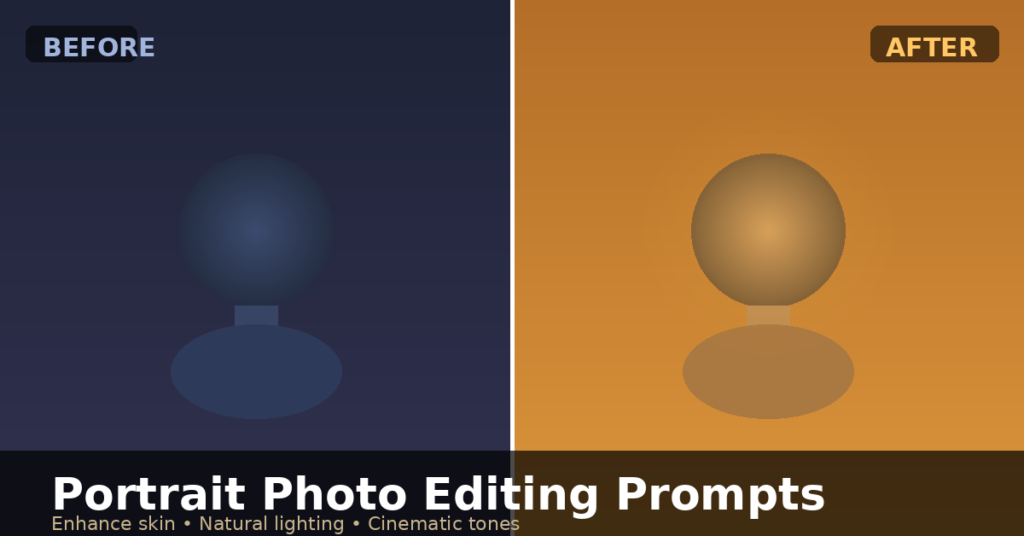
These “photo editing prompts” are perfect for modifying pictures of individuals, selfies, and headshots.
- *”Make this portrait photo look better by naturally smoothing out the skin without making it look plastic or over-filtered. Get rid of any blemishes and uneven skin tone. Keep the pores and make the photo look real. Use soft, flattering cinematic lighting to gently highlight the facial features.”
- “Make this casual selfie look like a professional studio portrait. Add a soft, creamy blurred background. Use softbox lighting from the front and a subtle fill light on the left side. Change the overall tone to be a little warm and professional.”
- * “Make this portrait look like it was taken during the golden hour. Give the skin a sun-kissed glow, add a slight lens flare in the top corner, warm up the shadows to a deep amber, and blur the background to make a beautiful shallow depth of field effect.”
- “Make this picture into a high-fashion editorial portrait. Use strong contrast, sharpen the facial features, add deep shadows under the cheekbones, and set the color tone to a cool, desaturated palette with dark blacks.”
- “Add a pastel color overlay, a soft glow effect around the edges, and smooth out the skin to make this portrait look soft and dreamy. Use soft pink and lavender tones to give the picture a fairy-tale look.”
- *Change the picture so that it looks like it was taken during the blue hour, which is the time right after sunset when the sky is blue. Use soft blue and purple colors, a soft lens to blur the background, and make the face a little brighter so it stands out against the black background.
- *Make this picture look like a movie and dark. To make it look like 35mm film, add some grain, make the blacks a little darker, and give the highlights a warm orange color and the shadows a chilly teal tint. Next, lower the overall saturation by 20%.
- “Make this picture look like a professional LinkedIn headshot. The background should be a plain light gray, the light on the face should be bright and even, there shouldn’t be any shadows under the eyes, and the whole picture should look sharp and clean.”
—
Background Change Prompts
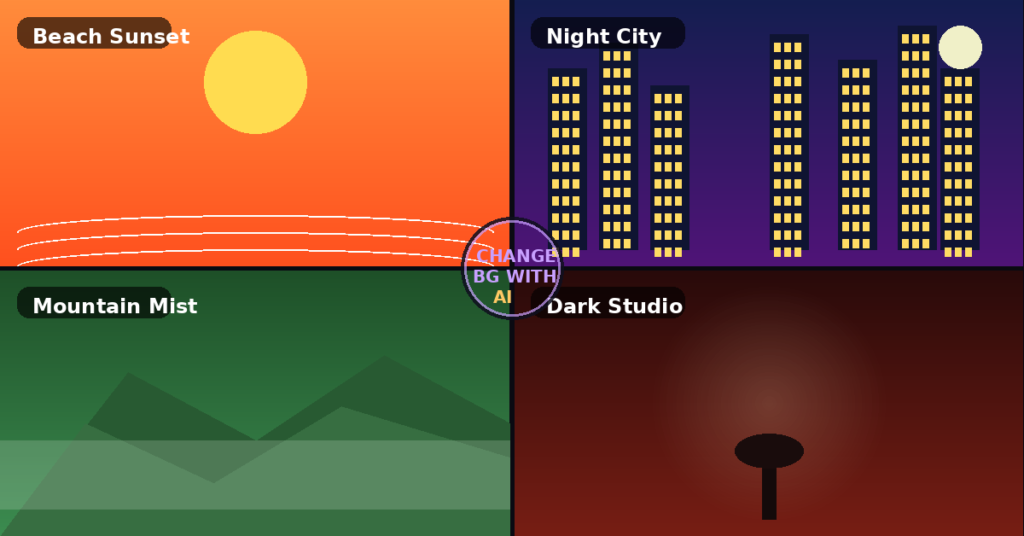
Do you wish to improve the look of a simple background? These recommendations for improving my pictures are exactly what I needed.
- Change the background of this photo to a beautiful sunset on a beach in the tropics. The sky should be a mix of pink and orange, and the sun should be setting in the distance. Put soft light on the damp sand in front of you. The background should look like it goes with the subject.
- *Set the scene in a modern, minimalist luxury living room with floor-to-ceiling windows that look out over a city skyline at night. The room should have soft pendant lighting that makes it seem serene and a clean marble floor. Make sure that the subject fits in with the scene in a way that makes sense.
- *Change the background to a vista of a mountain shrouded in mist in the morning. The sky has a soft blue and pink color, the tops of the mountains are lit up by the morning sun, and there are tall pine trees. It should feel like a movie and be pleasant.
- *Change the background to a Tokyo street at night with neon lights. Add some Japanese signs with blurry lights, a sidewalk that is wet and reflects bright colors, and a little rain. Use an artistic method to make the background look softer while keeping the topic in crisp focus.
- *”Change the background to an autumn forest. The trees should have red, orange, and yellow leaves, and the sunlight should be soft and dappled as it comes through the trees. The forest floor should be covered in leaves.”
- * “Take away the current background and replace it with a professional solid gradient background that goes from soft sage green at the top to warm ivory at the bottom. The edges should be clean, and the subject should be cut out perfectly.”
- *Put an image of a New York City rooftop behind this one. The region should have skyscrapers, a blue sky with a few clouds, some potted plants on the ledge, and golden light from the afternoon sun.
- *Change the background to a night sky full of stars over the Sahara Desert. Add the Milky Way to the sky, warm sand dunes in the middle distance, and a faint purple and blue glow on the horizon.
Lighting & Color Correction Prompts
Bad lighting can ruin a great photo. These AI photo editing prompts will fix that.
- * Adjust the white balance to make this picture feel warmer and more like a movie. Take away the cold blue tones and add a gentle amber glow to the bright spots. Make the shadows a touch cooler to provide contrast.
- *This photo requires a lot of light and contrast. To give the photo a powerful, editorial style, make the blacks darker, the whites brighter, and add a strong light from the upper left. Also, make sure the shadows are sharp.
- *Make this picture look like a soft pastel by changing the colors. Take 30% of the color away, add a pink-lavender tint to the highlights, make the shadows less bright and more subdued dusty purple, and add a little haze or sheen to the complete picture.
- *”Fix the parts of this picture that are too bright. Bring back the blown-out highlights, especially in the sky. Make sure the exposure is even so that details can be seen in shadows, midtones, and highlights. Don’t change the color tone of the whole picture.”
- *This picture should have a teal and orange color grade, which is what most Hollywood movies use. Bring down the overall saturation a touch. Put the shadows closer to turquoise and the highlights and skin tones closer to warm orange.
- * “Brighten the shadows without making them look gray. Add a warm, natural light tone to the room. Get rid of digital noise and make the details a little clearer.”
- *To make the shot look gloomy, heavy, moody, and stormy, take away 40% of the colors, apply a blue-gray tint to the whole picture, make the shadows darker, and enhance the contrast a little.
- * “To make this picture of the landscape look like summer, brighten the greens and blues, raise the contrast, make the sky a deeper blue, and warm up the golden parts of the scene.”
Creative Style Prompts
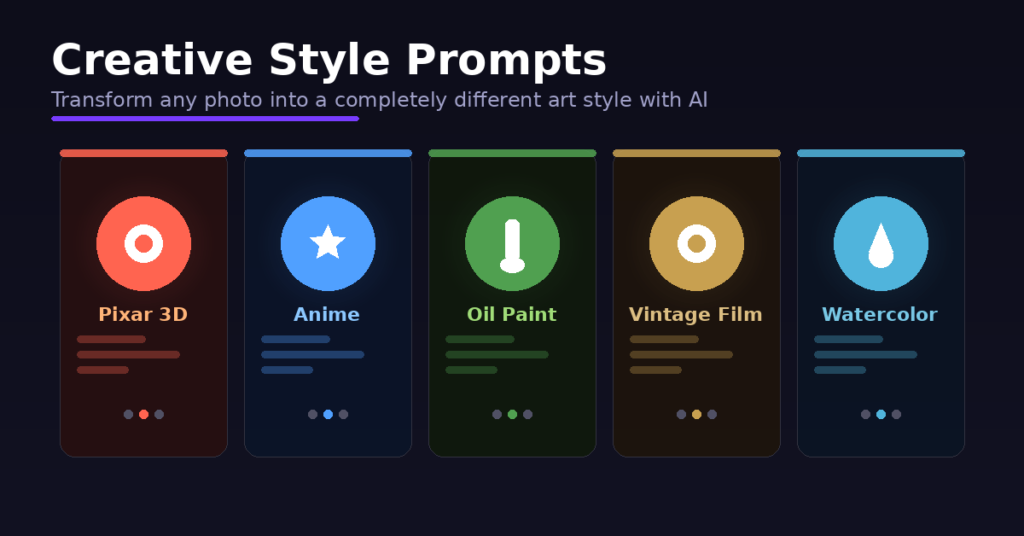
Do you want something that stands out from the rest? These image editing prompts might help you turn your photos into beautiful pieces of art.
- *Turn this picture of a person into a 3D animated figure in the style of Pixar. Make the face a little rounder, give them big, expressive eyes, and use Pixar’s warm, colorful lighting style.
- *Turn this photo into a difficult piece of anime art. Use wide lines around the subject, smooth anime-style shading on the skin, sparkly effects on the eyes, and bright, bold anime colors.
- * “Make this picture look like an Impressionist oil painting. Use thick paint-like shadows to give it depth and dimension, and make the colors blend in a soft way. The picture should feel warm and like it came from a museum.”
- * “Use a vintage 1970s film photography effect. Add a lot of grain, make the blacks a little less black so they turn greenish-gray, make the warm orange and yellow tones stronger, and put a small light leak in the top right corner.”
- “Make this picture look like a watercolor painting. Soften all the hard edges, let the colors bleed into each other a little, add paper texture in the background, and make sure the brushstrokes are still visible in the color areas.”
- *To make this picture look like a comic book drawing, add strong black lines, flat cel-shaded coloring with visible halftone dots in the shadows, a speech bubble (leave it blank), and a lot of contrast.
- “Use a retro 80s synthwave style. Add a purple and pink neon color grade, a subtle scanline effect, a lens glow, and make the whole picture look like a VHS tape recording from 1985.”
- * “Make this picture of the landscape look like a Studio Ghibli painting. Use the Ghibli color palette, which has warm sky tones and rich natural greens. The clouds should look fluffy and like they were painted by hand.”
—
Social Media Aesthetic Prompts
These tips might help you make your social media profiles look both professional and fun.
- *To make this picture look like an Instagram lifestyle influencer post, use a bright, airy editing style with clean whites, greens that aren’t too bright, warm skin tones, a gentle glow across the whole picture, and a clean, uncomplicated feel.
- *”Make this picture look like it came from Pinterest.” Use soft, warm colors, add a little haze, warm up the highlights, cool down the shadows, and make the whole picture feel cozy, curated, and aspirational.
- *”Make this picture look like it was taken for a fashion editorial in a high-end magazine. Use a color grade that is a little cool and neutral, with high contrast, deep rich blacks, and clean sharp highlights. Also, make sure every detail looks planned and polished.”
- *Make this picture of food look like it came from a fancy food blog. To do this, make the food’s warm colors, such reds and yellows, stand out more, add a gentle warm light from the upper left, and softly blur the dishes in the backdrop.
- *Make this image from your vacation look like a famous TikTok video. To make the colors stand out without having them look overly filtered, turn up the brightness, add a warm filmic tone, and slightly overexpose the highlights so they look glowy.
- *To give this picture a gloomy academia feel, make it look like it came from a wonderful library. To do this, make it less vibrant, add warm sepia and brown tones, darken the edges with a vignette, and add some film grain.
- * To give this picture a cottagecore vibe, add warm golden tones, soft green tones, a dreamy haze, a little grain, and a soft-focus glow that makes it feel homey. It should look like a calm summer afternoon in the country.
- “Give the shadows a cool blue tone, keep the highlights bright and clean, and sharpen the whole picture to make it look like a fitness influencer’s post on Instagram.”
Old Photo Restoration Prompts
These AI photo prompts are wonderful for helping you remember family occasions.
- “Repair this old, broken picture. Get rid of all the scratches, cracks, water stains, and other obvious marks. Fill in the missing parts of the picture with realistic details. Make the whole picture clearer and change the contrast so that faces are easy to see.”
- *Put some color in this black-and-white family picture from the 1950s. Make sure that the skin tone of each person looks true and not fake. Choose colors that were popular in the 1950s for the clothes. Pick a warm color for the background that you would find inside, and make sure the colors look like they did back then.
- * “Take away the yellow tint, bring back the details in the shadows, and make it look like the picture was taken recently.”
- * “Put the missing or torn pieces of this old photo back together. Fill in the gaps with realistic content that matches the rest of the picture. The repaired parts should blend in so well that you can’t see the damage.”
- *Get rid of the thick film grain and noise from this old scanned photo, but keep the essential parts clear. Make the skin and garments look smoother and less like dots without making the photo look hazy.
AI Beauty Enhancement Prompts
Changes that don’t seem or feel like plastic filters.
- *Use natural skin smoothing on this photo to make the skin tone more even, lessen redness, and make blemishes less obvious. Keep all of the natural skin texture and pores showing so that the person still seems like a real person.
- * “Make the eyes in this portrait a little brighter. To make them look more alive and interested, add a small catchlight reflection to both eyes. Make the natural eye color a little brighter without making the edit look fake.”
- * “Make the hair in this picture look better. Add shine and volume, smooth out any flyaway hairs around the edges, and make the hair’s natural color look better—brunettes should make it warmer and blondes should make it cooler and shinier.”
- *”Make the teeth in this picture a little whiter and more natural. Don’t make them look too bright or glowing. Just a light 15–20% whitening that looks like good dental hygiene, not heavy editing.”
- * “Get rid of the dark circles and tired look under the eyes in this portrait. Brighten the area under the eyes so that it matches the skin tone around it. Make it look completely natural, as if you just woke up.”
Professional Photography Prompts
Make your photos look like they were captured using a really high-end camera.
- “Make this picture look like it was taken with a professional DSLR camera with an 85mm portrait lens at f/1.8. Add a creamy, buttery bokeh effect to the background while keeping the subject very sharp. Add the natural lens compression that is common for an 85mm focal length.”
- *Check that the lighting is correct for this business headshot. Set up a regular Rembrandt lighting setup with a key light coming from the top right, a soft hair light coming from the left, and a small fill light coming from the left. It should look clean, polished, and ready to go.
- *Give this picture a shiny polish so it looks like a cover for a magazine. Use outstanding skin retouching, color grading that is very exact, lighting that is both dramatic and controlled, and sharpness all around. It should all look like a group of professionals spent hours making sure everything was perfect.
- *Change this picture of a landscape such that it looks like a picture from National Geographic. Make sure the natural colors aren’t too bright. Sharpen the small details like leaves and textures, get the exposure just perfect, and give the picture a film-like quality.
- *”Use the setting’s cool-neutral tone, muted, slightly desaturated colors, and lifted shadows to make this picture look like it was taken with a Fujifilm X100 camera on the Classic Chrome film simulation.”
—
How to Use These Prompts
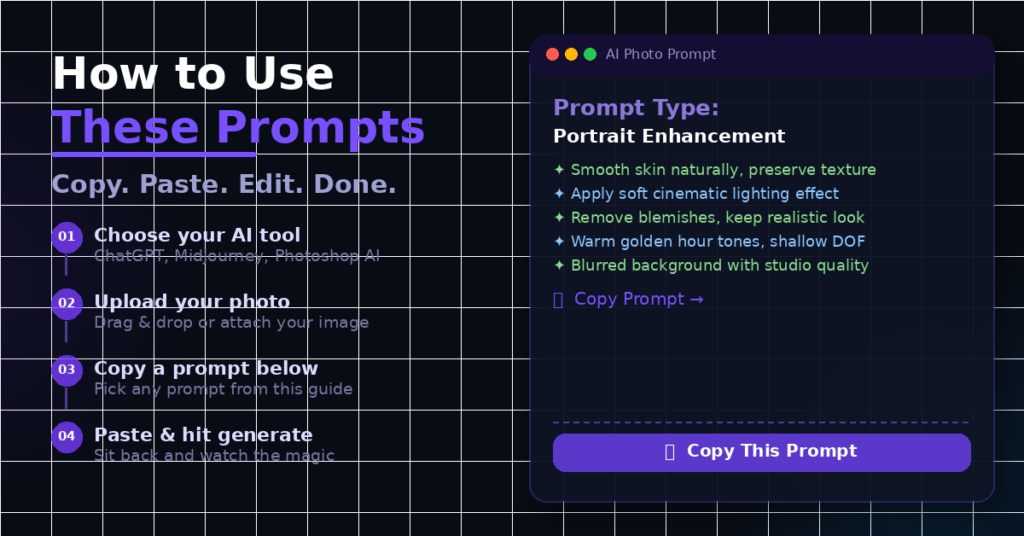
These AI photo editing prompts are simple to use. Just do these three things:
Choose Your Tool in Step 1
Pick an AI picture editor that you like, such Adobe Firefly, Midjourney, Leonardo AI, Gemini, or any other one.
**Step 2: Put in Your Photo
Most AI systems let you upload a picture right away. After you upload, type the prompt you want into the box.
Step 3: Copy, Paste, and Change
Simply copy and paste one of the ideas from this list. You can edit it whatever you like, just make sure the details match your photo. You can change the prompts a tiny bit, and they will still work.
Pro Tip: If you don’t like the first answer, consider modifying the wording of the question or giving more details. AI tools operate far better when you provide them even the smallest bits of new information.
Why Detailed Prompts Give Better Photo Results
To put it simply, AI doesn’t see your photographs the same way you do. They read what you wrote and then do their best to follow your instructions.
“Make it look nice” is a vague command that could mean a lot of various things. But if you say, “apply a warm cinematic color grade with golden highlights, smooth the skin naturally, and blur the background into creamy bokeh,” the AI will know exactly what you want.
The AI will be able to help you more and your results will be better if you give it more information about the lighting, mood, colors, camera style, and subject. Think of your prompt as a creative brief for a skilled editor. The brief that prevails is always the one that has the most information.
Final Thoughts
Using AI to edit photos is quite cool, and it gets better every month. If you’re organizing old family photos, generating content for social media, or just trying out new styles, the right picture editing technique could make the difference between a product you forget and one you’re really happy to share.
Don’t be scared to attempt new things. Try multiple questions and styles together and keep trying. There are more than 120 AI photo prompts in this book to help you get started. Once you know how to turn certain descriptions into interesting changes, you can make your own strong prompts from scratch.
You may now send in a photo, copy a prompt, and see what AI can do.
*Was this useful to you? You may always come back to this page to get additional advice on how to edit pictures. There are always new prompts being added.
