

Gemini AI Photo Editing Prompts: The Best Copy-Paste Commands for Making Pictures Look Good
You probably already know what Google Gemini AI is by now. Isn’t it all over the place? You might also be interested in how it can help you edit photos, just like I am.
Gemini isn’t just for sending emails and answering queries. People are utilising it to change their photographs in ways that used to need pricey software or a lot of experience with editing. What’s the secret? The correct questions.
In this post, I’ll provide you real copy-and-paste commands that you may use with Gemini AI to edit photographs. No guides that are hard to understand. No words that are hard to read. Just a few easy prompts that work.
I can help you with everything from cleaning up faces to changing backgrounds to recovering old images to making artistic adjustments. Let’s get started.
What is Gemini AI for editing photos?
Let’s get started with the basics.
Gemini AI is Google’s newest AI model. It can read and write words, look at photographs, and even assist you edit pictures by following text directions.
You don’t have to manipulate sliders by hand in Photoshop anymore; you just say what you want. Gemini takes the picture and the instructions and makes a new one.
You can get to Gemini with Google AI Studio, some browser add-ons, or apps that employ the technology. What is the best part? You don’t have to be a designer to do this. You just need to know what to ask for.
That’s where prompts come in.
Why prompts might benefit you when you edit pictures
I learnt this the hard way: if you ask questions that aren’t clear, you won’t get clear replies.
The prompt is the most crucial part of using AI to edit photos. It informs the AI exactly what you want it to accomplish. You will obtain better results if you are more specific.
Prompts help you stay in charge:
Lighting—Do you prefer soft, natural light, strong shadows, or the brightness of the golden hour?
Background—You can modify the full scene or only blur the background behind your subject.
Skin tone—making sure that photographs look natural and even.
Realism—Making sure that modifications look real instead of going overboard with art.
Style—the look of film photography, modern Instagram, old-fashioned, or cinematic tones.
Mood: The picture’s overall mood and emotion.
A decent gemini AI photo prompt is like giving a friend step-by-step directions to get there. You wouldn’t just suggest, “make it better.” You’d add, “make the lighting a little warmer and the background a little less clear.”
Can you tell the difference?
Copy the instructions for Gemini AI photo editing and paste them.
This is the important part. To make it easier for you to discover what you need, I’ve put these prompts into groupings. Simply copy the prompt and your photo into Gemini. Let it be.
📸 Tips for Improving Portraits
These are fantastic for taking images of people, such headshots and selfies.
“
Add some soft, natural light to this portrait, smooth out the skin while keeping the pores apparent for realism, brighten the eyes a little, and give it a warm tone. Don’t smooth down your skin too much; leave all of your facial features be the way they are.
`
To improve a professional headshot, fix the lighting, get rid of the shadows beneath the eyes, make the face clearer while blurring the background a little, change the skin tone to make it look healthy and natural, and keep the texture true.
You may make a magazine-quality portrait edit by using studio lighting, retouching the skin while keeping the natural texture, making the eyes and catchlights sharper, adding a soft vignette around the edges, and colour grading with warm undertones.
`
To make a natural outdoor portrait better, brighten the colours without making them too bright, give some clarity to the facial features, use a bokeh effect to make the background look soft, modify the exposure to get rid of harsh shadows, and maintain the skin tone authentic and even.
Use bright but natural colours, smooth out the skin a little while retaining the texture, sharpen the facial features, add a soft glow to the face, make the contrast better for mobile viewing, and give it a modern, clean look to make this Instagram portrait better.
``
To make a professional portrait look like a movie, add dramatic side lighting, subtle shadows to give the image depth, and teal and orange tones to colour grade. Make the polish seem better overall while yet making the skin look natural.
Casual portrait enhancement: make the overall picture brighter, add warmth, blur background elements that are distracting, sharpen the eyes, balance skin tones organically, and retain the mood relaxed and real.
```
🌄 Change in Background Prompts
Want to go to a different place? These prompts handle changes to the background.
```
Set the background to a gentle grey gradient that looks like a professional studio. Always make sure the subject is well-lit, the edges are clear, the shadows appear authentic, and the integration seems real.
```Set the background to a fuzzy view of a park outside with green bokeh, natural daylight colour temperature, and a shallow depth of field effect. Make sure the subject is bright and clear, and that the transition looks real and fluid.
``
Change the background to a basic, modern white one that works great for business. Keep the light on the person the same, and make sure the borders of the subject are clean. Add a subtle shadow under the subject to give it depth.
“
Make the background look like a nice coffee shop with warm lighting, a blurry cafe scene in the back, and natural depth. Change the colour temperature of the whole place to match the atmosphere inside the cafe.
`
Change the background to a beach picture at sunset with warm colours from the golden hour. Make sure the light on the subject matches the new background. The ocean and sky in the distance should look a little blurry.
`
Change the city background to one that is clean, has fuzzy buildings, soft neutral colours, and looks professional. Make sure that the subject is still the main focus and that the lighting is the same for both the subject and the new background.
You can modify the background to a scene from nature with trees and plants that aren’t too sharp, natural light coming in from outside, and a depth of field effect. The hues should be balanced, and the subject should fit in with the scene.
Style Ideas for Movies and Art

When you want your photos to look like they originated from a movie or an art gallery.
Use teal shadows and orange highlights to colour grade the movie. Give it a moody, atmospheric effect like in recent movies by adding a faint film grain texture, increasing the contrast while preserving the detail, and so on.
`
To make this photo look like a movie picture, add real 35mm film grain, colours that are a touch faded and warm like old movies, a soft vignette, and exposure settings that aren’t perfect.
``
Like old-fashioned portrait photography, make a dramatic black and white picture with deep blacks, dazzling highlights, and more contrast and texture. Add some grain to give it an artistic touch and to make the emotions and characteristics on the face stand out.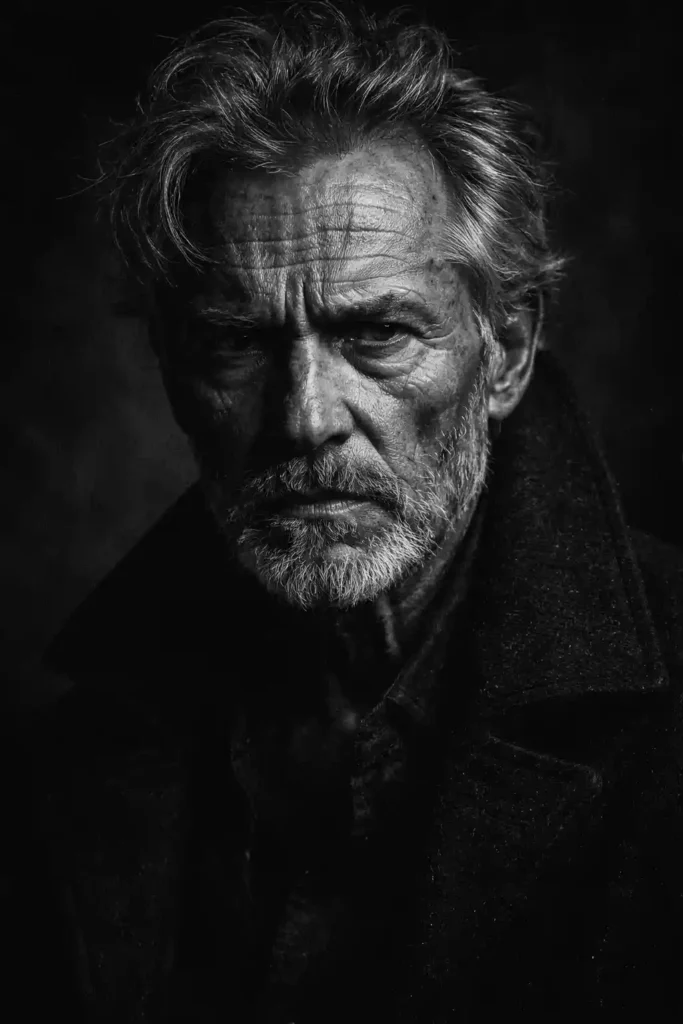
Use soft, muted colours like light pink and blue, less contrast, and a soft glow to get a dreamy, romantic effect that's perfect for creative photos.Moody editorial style: subdued tones with splashes of colour here and there, dramatic shadows, more texture and details, a high-fashion magazine vibe, and greater depth and visual intrigue.
If you like, you can cut the photo into a square. The colours should be warm and faded, with a touch of yellow. You should also add the texture and frame that are typical of the style, and the exposure should not be ideal. It should look like an outdated 1970s instant camera with a soft focus around the corners.
Add narrow letterbox bars to the top and bottom of your movie to give it a theatrical wide-screen look. Use movie-grade colour grading with deep tones, make the lighting more dramatic, enhance the overall production value, and set the mood for narrative.
 How to Fix Old Pictures

Do you have ancient family photos that aren't in good shape? These items help them come back to life.
Fix any damage to this vintage image, such as scratches and splits. Make it clearer and sharper all around, balance the exposure, preserve the original period look while boosting quality, and keep the original character.
`
To improve this ancient photo while still keeping loyal to history, get rid of spots and blemishes, increase contrast and detail, get rid of fading or colour cast, sharpen facial features, and retain the look of the time.
Add colours that appear authentic and natural to this black and white photograph. Use colours for skin, clothes, and backgrounds that are right for the time period, and do it in a way that looks real and isn’t too evident.
Fix the cracks, stains, and wear & tear on this ancient family photo. Make the faces clearer, adjust the light, remove graininess while preserving some texture, and bring up details that have faded over time.
Fix any damage to an old photo, make it seem better by boosting the resolution and sharpness, matching the exposure over the whole picture, removing artefacts, and making faces and other vital aspects stand out. It will be ready to send or print.
``
Get rid of the water damage, scratches, and dust on this antique photo. Make it brighter overall, bring out the facial characteristics, smooth out the texture of the paper, balance the tones, and preserve the old-fashioned style.
Social Media Prompts Are Here
Designed to perform best on social media platforms like Facebook and Instagram.
To make this photo better for Instagram, add bright colours that aren't too bright, make it clearer and sharper, give it a small contrast boost, make sure it looks nice on mobile screens, and give it a modern, clean edit that sticks out in the feed.Make an edit that is ready for Instagram stories by making sure the vertical alignment is right, the colours are brilliant and stand out, the topic is clear, the brightness is slightly raised, the text overlay works, and the appearance is eye-catching but not too much.A good Facebook profile image should be clean and professional, with features that stand out, lighting that is even, and colours that appear good on all screens.
```
```
Edit photos like an influencer: use a trendy colour palette with warm undertones, make the subject stand out more, blur the background so it appears beautiful, and use a feed style that gets a lot of likes.
```
```
LinkedIn professional photo enhancement: a polished but natural look, professional colour grading, clear, crisp facial features, a background that suits, an appearance that is trustworthy and approachable, and one that is suitable for business networking.
```A Pinterest-ready picture has a lot of contrast so that the thumbnail is simple to notice, bright colours that look excellent, a clear focus point, is best for vertical display, contains eye-catching parts, and is easy to share.
``
In general, make social media better by making it more interesting, brighter colours, sharper and clearer images, making sure it loads quickly, looks well on all platforms, and is both eye-catching and real.
How to Use These Prompts: A Step-by-Step Guide
So, you think this way. What should we do now?
Let me show you how it works for real. It’s not as hard as you think it is.
Step 1: Open Gemini AI
You can get to Gemini from Google AI Studio or anywhere else. Instead, open a third-party program that works with Gemini. Make sure you’re signed in and ready to go.
Step 2: Put up your picture
Find the option to add a photo. Usually, it’s a button or an icon that looks like a camera or a paperclip. Click it, then choose the picture on your device that you wish to modify.
Step 3: Copy and paste the prompt
In this page, find the prompt category you need and then duplicate the exact prompt you wish to utilise. Just type it into the text box for Gemini.
Step 4: Add any other information you need.
This is where you may personalise things. Want warmer colours? Put that in. Do you want the background to be a certain colour? Say it. The things I told you to do are just ideas to get you started. You can modify them if you like.
Step 5: Make and Download
Press “Enter” or “Generate.” Gemini will check out your prompt and picture. Depending on how hard it is, give it a few seconds or a few minutes. Check out the finished product. Download it if you want to. If not, adjust your prompt and try again.
That’s all there is to it. For real.
Advice for Getting Better Results
I’ve learnt some strategies that actually work after utilising these prompts for a long.
Be clear about the lighting. Instead of just mentioning “good lighting,” say “soft natural window light from the left” or “dramatic side lighting with shadows.”
Tell Gemini what type of camera style or effect you want. For example, “bokeh background,” “shallow depth of field,” or “35mm film” will assist them understand what you mean.
**Add notes about the quality or resolution you prefer. Using phrases like “high resolution,” “sharp details,” or “print quality” can help the outcome look better.
Make the backdrop clear. If you want it to be hazy, use “soft bokeh blur.” Give a thorough explanation of the new setting if you wish it to change.
create the mood and atmosphere. Use adjectives like “warm and welcoming,” “moody and dramatic,” or “bright and airy” to create the tone for the whole affair.
Set reasonable goals for your writing. If you say “realistic enhancement” or “natural skin texture,” you won’t have to change things too much. If you want something stylish, be clear about what you want.
Try different things. If a prompt doesn’t work, alter one thing at a time. You may add a detail about the colour or adjust how you describe the light.
Mix and match ideas from multiple prompts. For instance, you could utilise the lighting description from one challenge and the background approach from another. Put everything together.
Things that new people often do wrong
Let me assist you keep out of trouble here.
The biggest problem is unclear prompts. “Make it look good” doesn’t mean much to Gemini. Please tell me in detail what “good” means to you. More light? Different colours? Want to know more?
Trying to mix too many styles in one prompt typically doesn’t work. If you want the look of old movies, don’t ask for ultra-modern HDR enhancement. Choose a path and stick to it.
When you ask for adjustments that can’t be made, things get weird. It might not seem like a real request to ask Gemini to turn a dark photo of the inside of a house into a brilliant picture of the outside. Use what you have.
**Not giving us enough information about what you wish to maintain. Tell them if you want to change the background but preserve the original lighting on your subject. Gemini might change everything if not.
Not trying enough things. Your first idea might not be the best one. That’s normal. Do different things. Try out different things to see what works best for your photos.
Questions and Answers
Is it free to utilise Gemini AI to edit photos?
There are both free and premium levels of Google Gemini. You can use the free version to edit photos, but you might not be able to do it as much or get as nice of a result. You might have to pay for a plan if you need to perform more editing or use it for work. Prices on Google vary all the time, so look them up now.
Can Gemini change portraits well?**
That’s correct. When you give Gemini specific instructions, it does a good job at editing portraits. It can adjust the background, smooth out skin, and make the picture look better overall. It’s crucial to be clear about what you want and what you want to maintain, like how your skin feels.
What is the greatest Gemini prompt for photos on Instagram?**
There isn’t one “best” prompt; it all depends on how you write. “Optimise for Instagram with bright natural colours, better clarity, a slight boost in contrast, and a modern clean edit” is an excellent place to start. You can modify it based on the colours you desire, like warm, cool, or certain lighting effects.
Can Gemini be used instead of Photoshop?
Not really. Gemini is useful for quickly changing adjustments and introducing AI-powered features with prompts. You can modify any part of a picture by hand in Photoshop. Gemini is a good tool for making small modifications, and Photoshop is a good tool for conducting more complicated work. They can actually get along great.
Do you need Google AI Studio to alter photos of Gemini?**
Google AI Studio is not the only method to get to Gemini. Gemini’s functionality can be used by several third-party programs and browser add-ons. AI Studio is a fantastic place to learn how to use the prompts, though.
How much information should my Gemini AI picture editing prompts have?**
Very clear. Instead of simply “make it better,” explain what you mean by “better”: “add warm tones to the lighting, slightly blur the background, sharpen the face, and keep the skin texture natural.” The more details you give, the more the output will seem like what you had in mind.
Lastly,
That’s all there is to it.
It’s not hard to use Gemini AI photo editing with instructions. Once you know how to ask for what you want, it’s not hard to receive it. And to be honest, that’s what makes it cool.
You don’t have to have used Photoshop for a long time. You just need to make your vision clear.
The prompts I gave you are only the beginning. You can copy, use, alter, or combine them together. Find out what works best for you and the kinds of pictures you edit the most.
And here’s the thing: you’ll grow better the more you do it. Your prompts will grow better. You will learn which descriptions get you the outcomes you want. It’s fine that it’s a process.
Add this site to your favourites if it helps you. Come back when you need a little help. Try new stuff. Have fun.
These are only things that can help you make photographs that you want to show. What is the creative vision? That’s you.
Now it’s time to change some photos.
